
Protein Purification


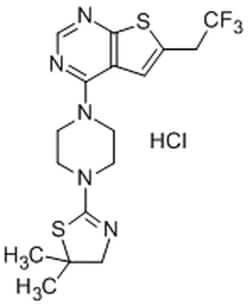
MilliporeSigma™ Calbiochem™ Menin-MLL Interaction Inhibitor, MI-2-2
A cell-permeable thienopyrimidine compound

MilliporeSigma™ Calbiochem™ Leupeptin, Hemisulfate, Synthetic
Synthetic version of the microbial-derived inhibitor Leupeptin against trypsin-like and cysteine protease activities.
Thermo Scientific Chemicals Leupeptin Hemisulfate
CAS: 103476-89-7 Molecular Formula: C20H39N6O4+
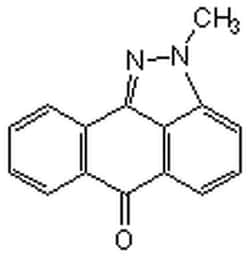
MilliporeSigma™ Calbiochem™ JNK Inhibitor II, Negative Control
The JNK Inhibitor II, Negative Control, also referenced under CAS 54642-23-8, controls the biological activity of JNK. This small molecule/inhibitor is primarily used for Phosphorylation & Dephosphorylation applications.

MilliporeSigma™ Calbiochem™ Ro-20-1724
A cell-permeable, selective inhibitor of cAMP-specific phosphodiesterase (PDE IV; IC50 = 2 μM).
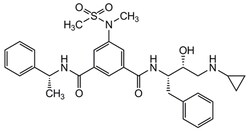
MilliporeSigma™ Calbiochem™ InSolution™ β-Secretase Inhibitor IV
The InSolution™ β-Secretase Inhibitor, also referenced under CAS 797035-11-1, controls the biological activity of β-Secretase. This small molecule/inhibitor is primarily used for Neuroscience applications.

MilliporeSigma™ Calbiochem™ L-745,870 Trihydrochloride
Selective D4 receptor antagonist with excellent brain penetrat
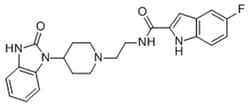
MilliporeSigma™ Calbiochem™ PLD Inhibitor, FIPI
The PLD Inhibitor, FIPI controls the biological activity of PLD. This small molecule/inhibitor is primarily used for Membrane applications.
MilliporeSigma™ Calbiochem™ PKC Inhibitor, EGF-R Fragment 651-658, Myristoylated
The PKC Inhibitor, EGF-R Fragment 651-658, Myristoylated controls the biological activity of PKC. This small molecule/inhibitor is primarily used for Phosphorylation & Dephosphorylation applications.
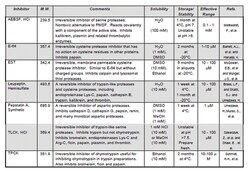
MilliporeSigma™ Calbiochem™ Protease Inhibitor Set
The Protease Inhibitor Set controls the activity of Protease. This small molecule/inhibitor is primarily used for Protease Inhibitors applications.
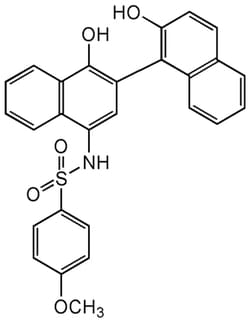
MilliporeSigma™ Calbiochem™ STAT3 Inhibitor XIII, C188-9
The Stat3 Inhibitor XIII, C188-9 controls the biological activity of Stat3. This small molecule/inhibitor is primarily used for Phosphorylation & Dephosphorylation applications.
MilliporeSigma™ Calbiochem™ α1-Antichymotrypsin, Human Plasma
Acute-phase protein present at ∽45mg/100mL in plasma.
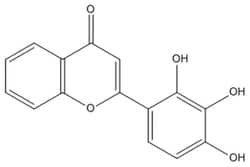
MilliporeSigma™ Calbiochem™ SUMOylation Inhibitor III, 2-D08
A cell-permeable compound that prevents the transfer of SUMO from the E2 thioester to the substrate without affecting SUMO-activating enzyme E1 (SAE-1/2) or E2 Ubc9-SUMO thioester formation.

MilliporeSigma™ Calbiochem™ AMPK Activator VI, RSVA314
The AMPK Activator VI, RSVA314 modulates the biological activity of AMPK. This small molecule/inhibitor is primarily used for Biochemicals applications.
MilliporeSigma™ Calbiochem™ Mitochondrial Content Inducer, BRD6897
A cell-permeable indolylphenylthienopyrimidinone compound that increases mitochondrial content without affecting the cell size (∽10μM). Reduces mitochondrial protein turnover without affecting any known transcriptional programs of mitochondrial biogenesis.